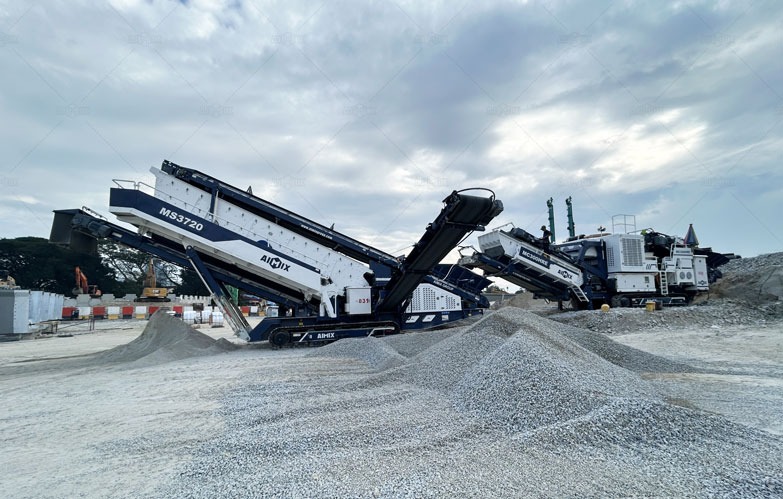
Comparison of Upgrading and Repurchasing Costs for Mobile Crushing Plants
Quarry owners and mining contractors constantly face the challenge of managing equipment lifecycles while maintaining high production margins. As global infrastructure demands grow and rock specifications become stricter, older machinery can struggle to maintain profitable output levels. When a fleet begins to show its age, experiences frequent downtime, or fails to meet modern particle shaping standards, project managers reach a critical financial crossroads. They must decide whether to invest capital into retrofitting their existing machinery or to completely replace it by investing in a new stone crusher for sale package. This financial decision requires a thorough analysis that goes far beyond the initial price tag. By carefully comparing the upfront capital expenditure, hidden operational costs, and long-term return on investment (ROI) of both strategies, businesses can make an informed choice that keeps their mobile stone crusher plant(planta trituradora de piedra móvil) highly efficient without straining their corporate cash flow.
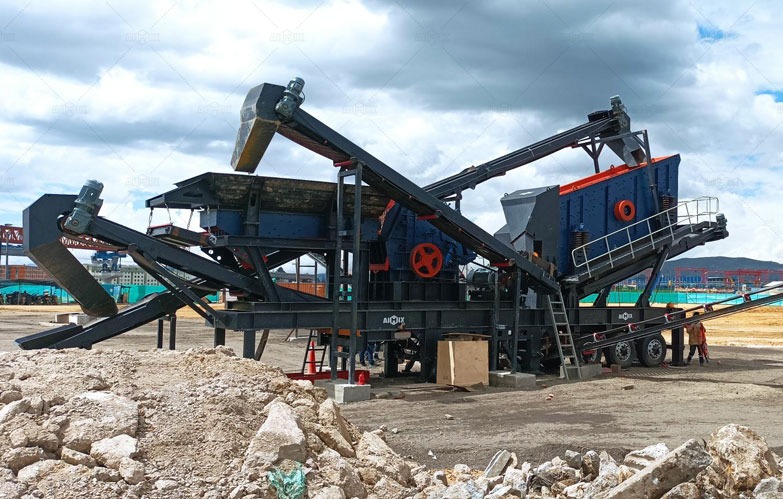
Capital Expenditure vs. Operational Lifecycle Costs
The most immediate comparison between retrofitting and replacing equipment involves evaluating the upfront capital required versus long-term operational expenditures.
Upfront Capital Requirements for Retrofitting
Upgrading an existing stone crusher plant(planta trituradora de piedra) typically requires a significantly lower initial cash outlay compared to buying brand-new machinery. Retrofitting projects generally focus on replacing specific high-wear components, updating hydraulic adjustment systems, or integrating modern electronic control panels onto an existing chassis. This approach allows companies to preserve their working capital for daily operational expenses or raw material procurement, making it an appealing option for businesses managing tight credit lines or short-term project budgets.
The Long-Term Premium of Complete Replacement
Browsing the market for a new stone crusher for sale involves a substantial upfront capital commitment. However, this high initial cost is balanced by a reset of the equipment's operational clock to zero. A brand-new system comes with full manufacturer warranties, fresh wear parts, and the lowest possible maintenance requirements for its first few years of service. For enterprises with stable, long-term project pipelines, this predictable cost structure often justifies the higher initial investment by eliminating the frequent maintenance expenses associated with aging machinery.
Technical Gains and Production Efficiencies
Beyond the balance sheet, equipment decisions must be evaluated based on mechanical performance, resource utilization, and processing flexibility.
Integrating Modern Automation through Upgrades
Many older equipment models can be successfully retrofitted with modern technological components to improve performance. For example, installing variable frequency drives (VFDs) and advanced hydraulic closed-side setting (CSS) adjusters can significantly boost the efficiency of an older mobile stone crusher plant. These retrofits give operators better control over particle shaping and material flow, matching the technical capabilities of newer models without requiring a full structural replacement.
Revolutionary Engineering Shifts in New Machinery
While component upgrades can extend equipment life, they cannot alter the fundamental structural design of an older machine. Modern equipment platforms feature revolutionary engineering designs, such as high-efficiency dual-power electric drives and optimized crushing chamber geometries that offer vastly superior reduction ratios. If an older stone crusher plant suffers from an inherently inefficient framework or outdated rotor dynamics, retrofitting will only provide incremental improvements, whereas a complete repurchase introduces a major step forward in energy efficiency and daily tonnage yield.
Downtime Analysis and Opportunity Costs
A comprehensive cost comparison must account for the revenue lost during the time the machinery is offline for structural modifications or replacement transitions.
- Upgrade Timelines: Retrofitting heavy machinery requires custom engineering, sourcing compatible component parts, and extensive on-site fabrication. If parts are delayed or compatibility issues arise, the equipment can remain offline for weeks, causing significant project delays.
- Repurchase Timelines: Replacing a machine minimizes on-site disruption. While waiting for a new mobile stone crusher plant to be delivered, the older unit can continue running at reduced capacity. Once the new machine arrives, it can be deployed rapidly, ensuring a smooth operational transition.
Residual Asset Value and Depreciation Balance
The impact on a company’s asset balance sheet is another critical factor when choosing between retrofitting and replacing heavy equipment.
The Depreciation Trap of Older Units
Investing heavy capital into upgrading an aging stone crusher plant does not proportionately increase its market resale value. Third-party buyers on the secondary market still view the machine based on its original manufacture year and total operational hours. Consequently, excessive spending on retrofits can create a scenario where the cost of the upgrades exceeds the actual book value of the machine, leading to poor capital efficiency.
Securing High Resale Leverage
Purchasing a top-tier machine from a reputable stone crusher for sale(chancadora de piedra en venta) list immediately secures a high-value asset for the corporate balance sheet. Modern, automated units retain their resale value exceptionally well over their first five years of service. This high residual value provides fleet managers with excellent financial exit strategies or valuable trade-in leverage when the time comes to expand production lines for future contracts.
Strategic Financial Navigation for Quarry Operators
Choosing the right path forward requires a balanced approach that aligns with your specific operational horizons and financial strengths. If an enterprise operates on short-term regional contracts with tight margins, retrofitting specific components on a dependable mobile stone crusher plant is a highly practical way to sustain production without taking on heavy debt. However, for organizations looking to secure long-term market leadership, reduce energy consumption, and eliminate unpredictable maintenance bottlenecks, replacing an outdated stone crusher plant is the superior choice. By looking past initial acquisition costs and focusing on total cost of ownership, downtime risks, and asset depreciation, quarry managers can protect their cash flow and ensure their operations remain highly competitive, efficient, and fully prepared for future industrial growth.
Post a comment