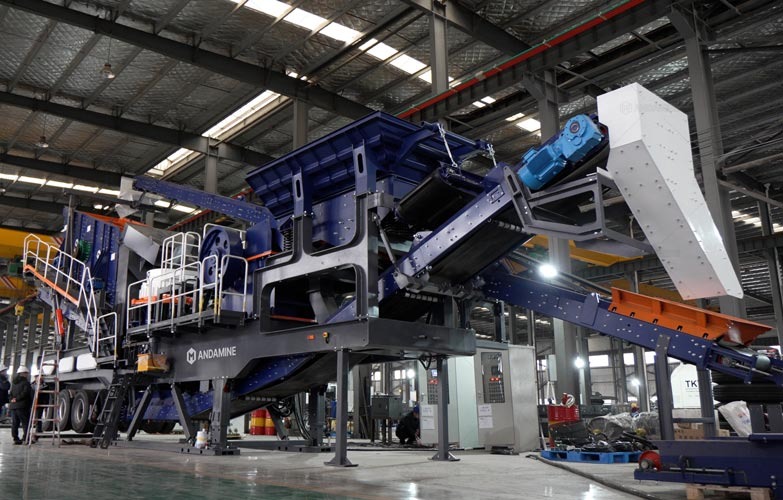
How to Improve the Stability of Stone Crushing Plants with Cone Crusher Automation Systems?
In the demanding world of mineral processing and aggregate production, operational stability is the bedrock of profitability. Unplanned downtime, inconsistent product quality, and excessive wear costs are often symptoms of a deeper issue: the inability to respond to changing conditions in real-time. This is particularly true in the crushing circuit, where variations in feed material can send shockwaves through the entire process. While mechanical robustness is essential, the modern solution to instability lies in intelligence. By integrating advanced automation systems, particularly around the cone crusher, operators can transform a reactive process into a proactive one. For any operator managing a stone crusher plant(planta trituradora de piedra), the shift from manual adjustment to automated control is not just an upgrade; it is a fundamental change in how stability is defined and achieved.
The Inherent Instability of Traditional Crushing
Before exploring the solutions, it is important to understand why crushing circuits are naturally prone to fluctuation. A typical aggregate crusher plant processes material that is inherently inconsistent. Feed size, moisture content, and material hardness can change from one truckload to the next. In a manually operated system, the operator relies on visual inspection and experience to adjust crusher settings. This reactive approach creates a lag between a change in conditions and the corrective action, leading to periods of overloading, underloading, and inconsistent product.
The Cascade Effect of Instability
When a cone crusher in a mineral crusher circuit becomes overloaded, it does not fail in isolation. The choke feeds back up the conveyor, stalling the screen and eventually tripping the upstream crusher. Clearing this blockage can cost hours of production. Conversely, an underloaded crusher operates inefficiently, producing more flat and elongated particles and wasting energy. Automation systems are designed to eliminate these extremes by maintaining the crusher at its optimal operating point continuously.
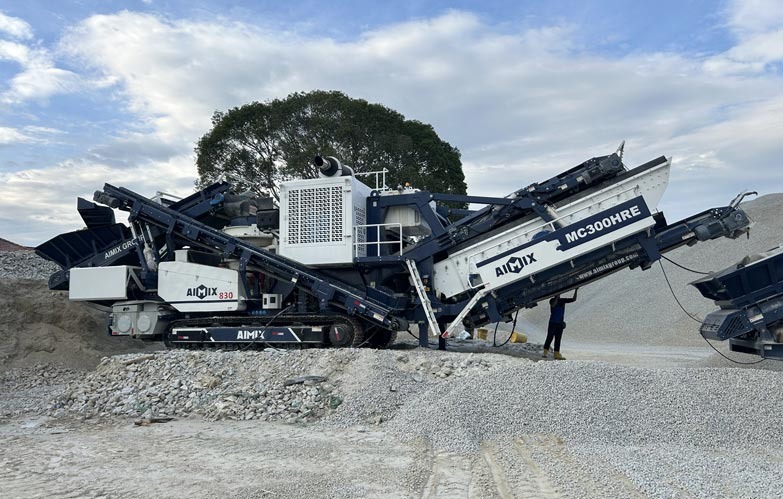
Core Principles of Cone Crusher Automation
Modern cone crusher automation is built on a few fundamental control loops that work together to maintain stability. These systems use sensors to monitor the crusher's internal state and make immediate adjustments to keep it within its design parameters.
The Crucial Role of the Hydroset Pressure System
The hydroset system, which controls the crusher's hydraulic relief and setting adjustment, is the primary actuator for automation. Sensors continuously monitor the hydroset pressure, which directly correlates with the crushing force and the liner wear condition. In an automated stone crusher plant, the control system uses this pressure reading to detect the approach of an overload condition. Before the pressure reaches a critical level, the system can slightly open the closed side setting (CSS) to allow more material to pass, preventing a stall. This preemptive action maintains material flow and protects the crusher from mechanical stress, a capability impossible to achieve with manual operation.
Power Draw and Load Management
Another critical input is the crusher motor's power draw, or amperage. Operating a cone crusher at the optimal power draw ensures it is doing maximum work without being overloaded. An automation system in an aggregate crusher plant(planta de agregados) will continuously modulate the feed rate to the crusher to maintain the power draw at a setpoint. If the feed material becomes harder, the power draw will begin to climb. The system responds by slightly reducing the feed rate, preventing the motor from tripping. Conversely, if the material softens, the feed rate increases, maximizing throughput. This dynamic adjustment keeps the mineral crusher operating at peak efficiency regardless of feed variations.
Achieving Consistency Through Chamber Profile Management
Beyond preventing overloads, automation plays a vital role in maintaining product quality over the life of the wear parts. As manganese liners wear, the crushing chamber profile changes, which affects the product gradation.
Automatic Setting Adjustment (ASRi)
Advanced cone crushers are equipped with systems like ASRi (Automatic Setting Regulation) that automatically compensate for liner wear. As the liners wear down, the system incrementally closes the CSS to maintain the target product size. This ensures that the stone crusher plant produces a consistent gradation from the first day of new liners to the last. Without this feature, operators would need to manually check samples and adjust settings, a process that is both labor-intensive and prone to error. The result is a stable, predictable product stream that feeds downstream screens and stockpiles without the quality swings that lead to customer complaints or material reprocessing.
Lorem ipsum dolor sit amet, consectetur adipiscing elit, sed do eiusmod tempor incididunt ut labore et dolore magna aliqua.
Integration with the Entire Plant Network
The true power of automation is realized when the cone crusher's control system is integrated into the broader plant control architecture. A single crusher operating in isolation cannot stabilize an entire aggregate crusher plant.
Centralized Control and Plant Sequencing
Modern plant control systems allow for centralized monitoring and adjustment of all equipment. If a downstream screen becomes overloaded, the central controller can signal the upstream mineral crusher(trituradora minera) to reduce its feed rate or even pause momentarily. This prevents material from backing up and causing a spillage or blockage. Similarly, the system can sequence the start-up and shutdown of the entire plant, ensuring that conveyors start in the correct order to prevent spillage and stop in reverse order to clear all material. This level of coordination eliminates the human errors that often lead to unstable operating conditions during shift changes or after maintenance.
Real-Time Data and Operator Interface
Automation also stabilizes the operation by providing operators with better information. Instead of relying on guesswork, the control room displays real-time data on crusher power, pressure, temperature, and oil flow. Alarms alert operators to developing issues, such as rising bearing temperatures or low oil flow, allowing them to intervene before a failure occurs. For a stone crusher plant operating in remote locations, this remote monitoring capability is invaluable. It allows a single experienced operator to oversee multiple plants or to get expert support from a remote diagnostic center, ensuring stability even when onsite expertise is limited.
Practical Implementation and ROI
Implementing cone crusher automation is not just about buying new software; it requires a strategic approach to hardware and training.
Retrofitting Versus New Equipment
For existing operations, retrofitting automation to current cone crushers is often a viable option. Many major crusher manufacturers offer retrofit kits that include the necessary sensors, hydraulic upgrades, and control panels. While retrofitting can significantly improve the stability of an existing mineral crusher, there are limitations. Older crushers may have slower hydraulic systems or mechanical constraints that limit the speed and range of automatic adjustments. For operators looking at a new stone crusher plant for sale, selecting a model with factory-integrated, advanced automation is the most effective path to achieving maximum stability.
Training and Change Management
The most sophisticated automation system is useless if the operators do not trust it or understand how to use it. Implementing automation requires a shift in mindset. Operators must move from being "twiddlers" who constantly adjust knobs to "supervisors" who monitor system performance and intervene only when necessary. Proper training on the automation system's logic, alarms, and override functions is essential. When the team understands that the automation is there to handle the routine adjustments, they can focus on optimizing the overall plant performance, leading to a more stable and productive operation.
In conclusion, improving the stability of a stone crusher plant through cone crusher automation is a multi-faceted endeavor. It involves implementing real-time control loops for pressure and power, using automatic setting adjustment to maintain product quality, and integrating the crusher into a centralized plant control network. The result is a mineral crusher that adapts instantly to changing conditions, maximizes throughput, protects itself from damage, and delivers a consistent product. In an industry where every minute of downtime is lost revenue, the investment in automation is one of the most effective ways to ensure long-term operational stability and profitability.
Lorem ipsum dolor sit amet, consectetur adipiscing elit, sed do eiusmod tempor incididunt ut labore et dolore magna aliqua.
Post a comment