Structural Requirements for Mobile Crushing Plants in River Pebble Crushing
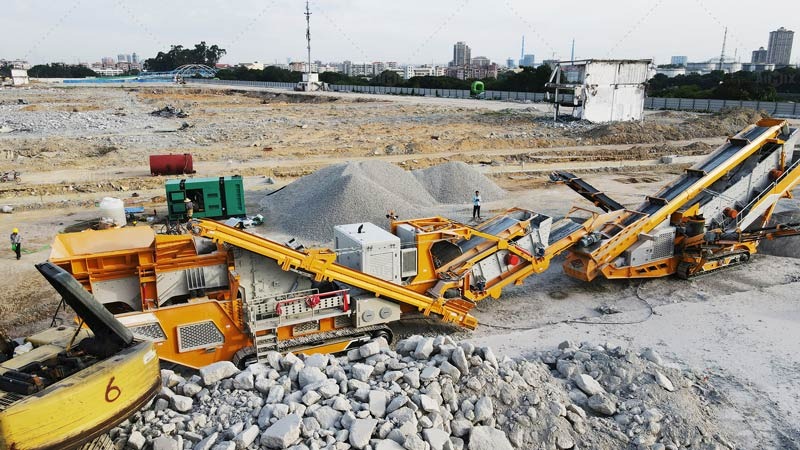
River pebble is a challenging material for any crushing operation. Its high silica content, extreme abrasiveness, and round, compact shape demand equipment that can withstand continuous wear while maintaining tight product specifications. Unlike fractured limestone or granite, river pebble tends to slip through crushing chambers rather than break cleanly, placing unique structural demands on the chassis, feed hopper, and conveyor systems. For operators considering a mobile stone crusher plant(planta trituradora móvil) in a riverbed or alluvial deposit, understanding these requirements is essential to avoid excessive downtime and accelerated wear. A well-designed stone crusher plant for pebble applications must address impact resistance, dust sealing, and vibration damping from the ground up. The choice of cone crusher as the secondary or tertiary stage also dictates the overall structural layout. This article outlines the key structural features needed for a mobile stone crusher plant to perform profitably in river pebble crushing.
Reinforced Chassis and Undercarriage Design
The first structural requirement for a mobile stone crusher plant processing river pebble is a heavily reinforced chassis. Unlike stationary foundations that absorb vibration through concrete, a tracked or wheeled unit must manage crushing forces entirely through its steel frame. River pebble generates higher impact loads than softer rock because the rounded cobbles do not interlock during feeding; they strike wear parts and chamber walls individually. A mobile stone crusher plant intended for pebble work should have a frame with doubled main beams, stress-relieved welding, and additional cross-bracing around the crusher mounting points. The undercarriage tracks or axles must also be rated for the constant jolting as heavy pebbles drop from the feeder. Many operators who purchase a mobile stone crusher plant for river pebble later discover that standard chassis designs develop fatigue cracks within 12 months. A proper stone crusher plant for this application specifies a 50% higher safety margin on all structural steel.
Heavy-Duty Feeder and Hopper Configuration
The feed hopper and vibrating feeder form the entry point of any stone crusher plant(planta de trituración y cribado), and for river pebble they require special attention. Pebbles tend to roll and bounce rather than slide, so the hopper walls must be steep (at least 65 degrees from horizontal) and lined with abrasion-resistant steel. A mobile stone crusher plant working in a wet river environment also needs a grizzly section to scalp out fine sand and silt before they reach the primary crusher. This scalping step protects the jaw or cone crusher from accelerated wear. Furthermore, the feeder pan must be thick enough to resist denting from falling 200mm pebbles. When designing a mobile stone crusher plant for river pebble, engineers often specify a variable-speed hydraulic feeder to match feed rate to crusher capacity, preventing the chamber from emptying and allowing pebbles to impact the mantle directly. Without this structural attention, even a premium stone crusher plant will suffer from frequent feeder jams and liner damage.
Crusher Mounting and Access Points
The mounting platform for the primary crusher and subsequent cone crusher must be exceptionally rigid. River pebble produces a phenomenon known as "ring bounce" in cone crushers, where the adjustment ring lifts under high pressure from unbreakable pebbles. A mobile stone crusher plant with flexible or under-engineered mounts will experience misaligned shafts and premature bearing failure. The structural design should incorporate a dual-pin or spring-applied clamping system for the cone crusher, along with reinforced bolt patterns that resist loosening from vibration. Additionally, access platforms and ladders must be designed for frequent liner changes. River pebble can wear out a cone crusher mantle in as little as 300 hours, so your stone crusher plant needs safe, quick-access walkways around the crushing chamber. Some modern mobile stone crusher plant models include hydraulic wedge systems that adjust the crusher setting without removing liners, reducing structural stress from repeated disassembly.
Lorem ipsum dolor sit amet, consectetur adipiscing elit, sed do eiusmod tempor incididunt ut labore et dolore magna aliqua.
Conveyor Systems with Abrasion Protection
Conveyors on a stone crusher plant processing river pebble face two major threats: impact damage from falling pebbles and edge wear from sharp fractured edges. While pebbles are initially smooth, after passing through a cone crusher(quebradora de cono) they become jagged and highly abrasive. The structural supports for all conveyors on a mobile stone crusher plant must be wider than standard to accommodate thick rubber impact beds at feed points. Furthermore, skirt rubber and sealing strips require reinforced clamping bars that can be tightened repeatedly as they wear. Any stone crusher plant that ignores conveyor protection will spend more on belt replacement than on wear parts. In a well-configured mobile stone crusher plant, the main discharge conveyor includes a metal detector and magnetic separator to remove tramp iron, which is common in river pebble deposits near old bridges or pipelines. These additional components add weight and require reinforced conveyor trusses.
Dust Sealing and Vibration Isolation
River pebble crushing generates fine silica dust that infiltrates every bearing, cylinder, and electrical cabinet on a mobile stone crusher plant. Structural requirements extend to full enclosures around screen decks and crusher discharge points. The chassis itself should include sealed compartments for the hydraulic tank and engine, with overpressurized cabinets to repel dust. Vibration isolation mounts between the crusher and chassis are also critical; without them, constant shaking will loosen hydraulic lines and electrical connectors. A durable stone crusher plant for pebble applications uses rubber sandwich mounts that absorb high-frequency vibrations while maintaining structural alignment. When evaluating a mobile stone crusher plant for river pebble, check whether the manufacturer offers double-sealed bearings on all screen shafts and crusher countershafts.
Mobility Considerations for River Sites
River pebble deposits often lie in remote, soft-ground locations. A mobile stone crusher plant must have a track width and ground pressure low enough to operate on sand or gravel bars without sinking. The structural design should include track pads with wide grousers and a centralized lubrication system for track tensioners. Additionally, the plant needs robust tow points and folding conveyors for transport between river sections. A stone crusher plant that cannot move easily between seasonal pebble beds loses its primary advantage over stationary systems. When selecting a mobile stone crusher plant for a river project, request a terrain test on wet, compacted gravel to verify structural integrity under moving loads.
Practical Recommendations for Buyers
Before purchasing a mobile stone crusher plant for river pebble, inspect the chassis thickness (minimum 25mm for main beams) and check for full-penetration welds on all crusher support brackets. Ask the manufacturer about field failures in similar abrasive applications. A stone crusher plant that succeeds in limestone may fail catastrophically in pebble within weeks. Finally, ensure that the cone crusher is equipped with a hydraulic overload protection system that allows tramp iron to pass without damaging the mainframe. River pebble often contains unexpected hard inclusions, and the structural design of your mobile stone crusher plant should assume they will appear every shift. By prioritizing chassis toughness, feeder design, and dust sealing, you can build a mobile stone crusher plant that turns challenging river pebble into profitable concrete aggregate for years to come.
Lorem ipsum dolor sit amet, consectetur adipiscing elit, sed do eiusmod tempor incididunt ut labore et dolore magna aliqua.
Post a comment