Understanding Policy Trends in Localized Aggregate Production in Latin American Countries
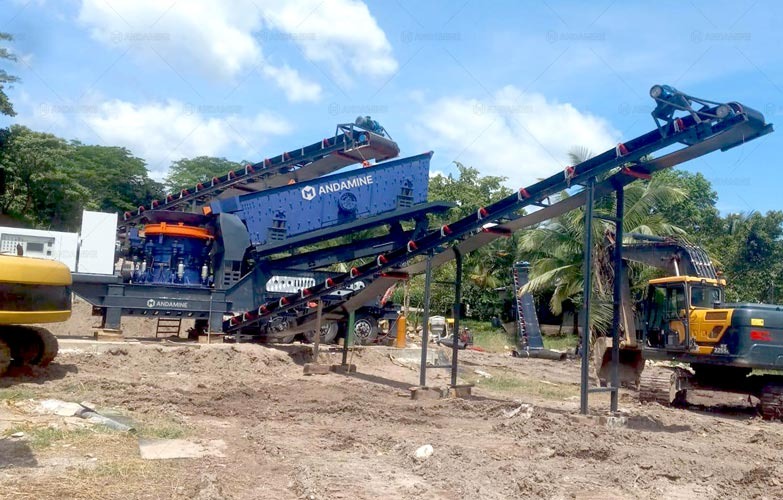
The aggregate industry in Latin America is at a crossroads, shaped by forces that extend far beyond the quarry face. Across the region, from Mexico to Chile, governments are reevaluating their relationships with natural resources and the construction materials that underpin national development. The trend toward localization—prioritizing domestic production over imports, and regional supply over distant sources—is gaining momentum. This shift is driven by a combination of economic nationalism, supply chain security concerns exposed during the pandemic, and a growing recognition that infrastructure development must be resilient. For aggregate producers, understanding these policy trends is not merely an academic exercise; it is essential for strategic planning and investment decisions. When considering the construction of a new aggregate crusher plant(planta trituradora de agregados), or expanding an existing stone crusher plant, operators must align their plans with the evolving regulatory landscape. The choice of equipment, from primary jaws to secondary impact crusher units, may be influenced by local content requirements, permitting processes, and government incentives. This article explores the key policy trends shaping localized aggregate production across Latin America and offers practical guidance for navigating this complex environment.
The Drive Toward Resource Nationalism and Local Sourcing
Across Latin America, a wave of resource nationalism is reshaping extractive industries. While much of the attention focuses on metals and hydrocarbons, the aggregate sector is increasingly affected.
Import Substitution and Domestic Industry Protection
Several Latin American governments are actively promoting import substitution policies, aiming to strengthen domestic industries and reduce dependence on foreign goods. For the aggregate sector, this means policies that favor locally produced materials over imports. In some countries, government infrastructure projects now include local content requirements, mandating that a certain percentage of construction materials be sourced from domestic producers. This creates significant opportunities for operators with a well-positioned aggregate crusher plant. However, it also requires producers to demonstrate that their materials meet quality standards and that their production capacity is reliable. When planning a new stone crusher plant(planta de trituracion), understanding these local content rules can influence decisions about plant size and production capabilities. The choice of an impact crusher for secondary reduction, for example, might be driven by the need to produce specific cubical shapes required for high-specification local infrastructure projects.
Strategic Autonomy in Construction Materials
The COVID-19 pandemic exposed the vulnerabilities of global supply chains. Countries that relied on imported construction materials found themselves facing delays and cost escalations. In response, many Latin American governments are now prioritizing strategic autonomy in essential sectors, including construction. Aggregates, being bulky and low-value relative to transport costs, have always been inherently local to some degree. However, the new policy environment goes further, encouraging the development of regional production hubs that can serve multiple infrastructure projects. This trend favors producers who can demonstrate the ability to supply consistent volumes over the long term. An aggregate crusher plant located strategically near major population centers or planned infrastructure corridors becomes not just a business asset but a piece of national infrastructure itself. For investors evaluating equipment options, from an impact crusher to screening plants, the long-term policy tailwinds favoring localization suggest that investing in capacity and quality is a sound strategic bet.
Lorem ipsum dolor sit amet, consectetur adipiscing elit, sed do eiusmod tempor incididunt ut labore et dolore magna aliqua.
Permitting and Environmental Regulations
Perhaps the most significant policy trend affecting aggregate production in Latin America is the evolution of permitting and environmental regulations. These rules directly influence where and how production can occur.
Streamlining Permits for Strategic Projects
While environmental regulations are tightening, there is also a recognition that infrastructure development cannot be paralyzed by bureaucracy. Some countries are creating fast-track permitting processes for projects deemed strategically important. An aggregate crusher plant intended to supply a major national highway or a housing program may qualify for expedited review. However, qualifying for these fast-track processes often requires demonstrating environmental responsibility and community engagement from the outset. Producers must be prepared to document their plans thoroughly and show how they will minimize impacts. When designing a stone crusher plant, incorporating dust suppression systems, noise control measures, and water recycling from the beginning can facilitate the permitting process. The choice of an impact crusher(trituradora de impacto de eje horizontal) with enclosed rotors and reduced noise emissions might be a small factor that helps secure approval in sensitive areas.
Increasing Scrutiny on Water and Biodiversity
Water scarcity is a critical issue across much of Latin America, from the arid north of Mexico to the Atacama in Chile. Aggregate processing can be water-intensive, particularly for washing applications. New policies are increasingly restricting water use and requiring recycling systems. An aggregate crusher plant must now demonstrate efficient water management to obtain operating permits. Similarly, biodiversity protections are expanding. Quarries located near sensitive ecosystems face additional scrutiny and may be required to implement extensive mitigation measures. Producers must factor these regulatory realities into their site selection and operational planning. A modern stone crusher plant designed with closed-loop water systems and dust containment not only complies with regulations but also reduces long-term operational risks. Even the choice of an impact crusher, which typically operates dry and produces fewer fines than some other crusher types, can be part of a strategy to minimize environmental footprint and streamline permitting.
Lorem ipsum dolor sit amet, consectetur adipiscing elit, sed do eiusmod tempor incididunt ut labore et dolore magna aliqua.
Local Content and Employment Mandates
Beyond the materials themselves, governments are increasingly focused on the economic benefits that aggregate production brings to local communities.
Hiring and Training Local Workforces
Permits for new aggregate operations often come with conditions regarding local employment. Governments want to ensure that the benefits of resource extraction flow to nearby communities. This means that operators of an aggregate crusher plant must be prepared to invest in training and development programs. Building a skilled local workforce not only satisfies permit conditions but also creates stability, as employees with deep community ties are more likely to remain with the operation long-term. When establishing a new stone crusher plant, early engagement with local technical schools and training institutions can demonstrate commitment to local development. Even specialized roles related to operating an impact crusher or maintaining advanced control systems can be filled locally with proper training programs.
Procurement from Local Suppliers
Policy trends also favor procurement from local suppliers for goods and services beyond labor. This includes everything from fuel and lubricants to maintenance services and spare parts. An aggregate crusher plant that integrates into the local economy by sourcing from nearby businesses builds political and community support that can be invaluable during permit renewals or expansion applications. This local integration should be considered when evaluating equipment options. Choosing a stone crusher plant with components that can be serviced locally, or selecting an impact crusher from a manufacturer with strong local distribution and parts availability, supports this localization strategy and reduces supply chain vulnerabilities.
Lorem ipsum dolor sit amet, consectetur adipiscing elit, sed do eiusmod tempor incididunt ut labore et dolore magna aliqua.
Infrastructure Development Plans and Regional Integration
Government infrastructure spending is the lifeblood of the aggregate industry. Understanding national and regional development plans is essential for anticipating demand.
National Infrastructure Pipelines
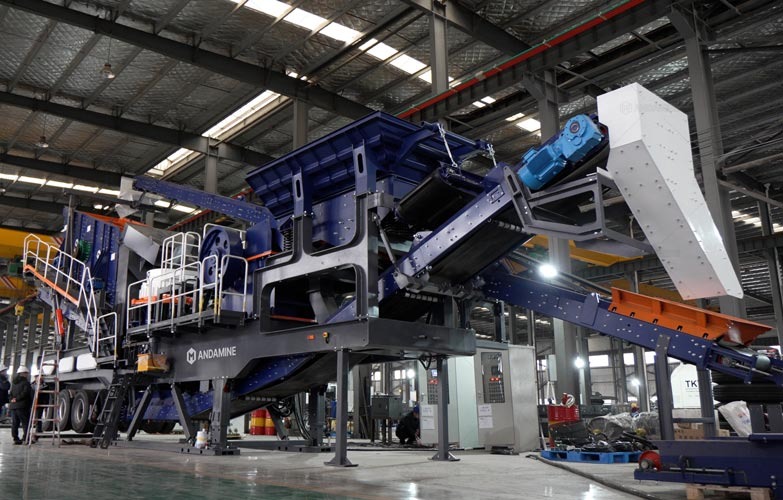
Across Latin America, governments are announcing ambitious infrastructure pipelines. From Mexico's Tren Maya to Peru's road network expansions and Brazil's housing programs, these projects create multi-year demand for aggregates. Policy trends increasingly favor using local materials for these projects, both to support domestic industries and to reduce costs. Producers who position their aggregate crusher plant strategically relative to these planned projects can secure long-term supply contracts. This requires not just understanding current infrastructure plans but anticipating future developments. A stone crusher plant located near a planned highway corridor today may be perfectly positioned to supply that project, but producers must also consider whether the plant can be expanded or reconfigured to meet changing specifications. The flexibility offered by modern equipment, such as an impact crusher that can be adjusted to produce different gradations, becomes a strategic advantage when serving multiple infrastructure projects over time.
Cross-Border Harmonization Efforts
While localization is a strong trend, there are also efforts to harmonize standards and facilitate cross-border trade in construction materials within regional blocs like Mercosur and the Pacific Alliance. For producers near borders, this creates both opportunities and challenges. An aggregate crusher plant in northern Argentina might potentially supply projects in southern Brazil if standards are aligned. However, this also means facing competition from producers across the border. Understanding these regional dynamics is essential for strategic planning. When investing in a stone crusher plant, considering whether the equipment can produce materials meeting multiple national standards might open additional markets. An impact crusher capable of producing high-quality cubical aggregates that meet the most stringent specifications in the region provides flexibility to serve both domestic and export markets as policies evolve.
Lorem ipsum dolor sit amet, consectetur adipiscing elit, sed do eiusmod tempor incididunt ut labore et dolore magna aliqua.
Taxation and Incentive Structures
Government fiscal policies play a crucial role in shaping investment decisions in the aggregate sector. Understanding these policies is essential for financial planning.
Tax Incentives for Strategic Investments
Some Latin American countries offer tax incentives for investments in strategic industries, including construction materials. These might include accelerated depreciation for equipment, reduced import duties on machinery, or tax holidays for new operations in designated development zones. For a company planning an aggregate crusher plant, understanding these incentives can significantly improve project economics. The effective price of an impact crusher or screening plant may be substantially reduced by duty exemptions. However, accessing these incentives often requires navigating complex bureaucracy and demonstrating that the investment meets specific criteria. Professional advice and early engagement with relevant government agencies are essential.
Royalties and Extraction Taxes
At the same time, governments are increasingly looking to capture a share of the value from resource extraction through royalties and taxes. While aggregates are lower-value than minerals like copper or gold, they are still subject to various levies. These can be based on volume extracted, revenue generated, or a combination of factors. Understanding the fiscal regime is essential for accurate financial modeling of a stone crusher plant. Royalty rates can significantly impact profitability, particularly for operations with thin margins. When evaluating equipment investments, including an impact crusher for value-added production of specialty aggregates, producers must factor these ongoing costs into their calculations.
Lorem ipsum dolor sit amet, consectetur adipiscing elit, sed do eiusmod tempor incididunt ut labore et dolore magna aliqua.
Community Engagement and Social License
Finally, policy trends increasingly recognize the importance of community acceptance for extractive operations. Social license is becoming as important as legal permits.
Prior Consultation and Indigenous Rights
Many Latin American countries have adopted prior consultation requirements for projects affecting indigenous territories, consistent with ILO Convention 169. For aggregate producers, this means that establishing a new stone crusher plant may require extensive engagement with indigenous communities. These processes can be lengthy and complex, but they also offer opportunities to build lasting relationships. Approaching these consultations with genuine respect and a willingness to address community concerns is essential. The design of the aggregate crusher plant—including noise and dust control, water management, and traffic routing—may need to incorporate community feedback. An impact crusher with lower noise emissions, or a plant layout that minimizes visual impact, might result from these consultations.
Benefit-Sharing Agreements
Beyond consultation, policies are increasingly encouraging or requiring benefit-sharing agreements with local communities. These might include infrastructure contributions, employment preferences, or direct revenue sharing. For an aggregate crusher plant, these agreements can create stable, long-term relationships that support uninterrupted operations. When a community has a direct stake in the success of the operation, conflicts are less likely. This social stability is valuable not just for permit compliance but for day-to-day operational efficiency. A stone crusher plant that is welcomed by its neighbors faces fewer disruptions and builds a reputation that facilitates expansion. Even technical decisions, such as selecting an impact crusher that enables production of higher-value materials, can increase the resources available for community benefit sharing, creating a virtuous cycle.
In the final analysis, understanding policy trends in localized aggregate production across Latin America is not optional for serious industry participants. These trends shape every aspect of the business, from site selection and equipment choices to operational practices and community relations. The movement toward localization, driven by resource nationalism and supply chain security concerns, creates significant opportunities for domestic producers. However, it also brings increased scrutiny, higher expectations for environmental and social performance, and complex regulatory requirements. Success in this environment requires more than technical expertise in crushing rock. It demands strategic foresight, genuine community engagement, and a commitment to operating at the highest standards. When planning a new aggregate crusher plant, or expanding an existing stone crusher plant, producers must consider not just the immediate economics but the long-term policy trajectory. The choice of an impact crusher or any other piece of equipment should be made with an eye toward evolving environmental standards, local content requirements, and community expectations. By aligning business strategy with policy trends, aggregate producers can build operations that are not only profitable but also resilient, supported by the regulatory framework and welcomed by the communities where they operate. The future of the industry in Latin America belongs to those who understand that policy is not just a constraint to be managed but a force that can shape the market in their favor.
Lorem ipsum dolor sit amet, consectetur adipiscing elit, sed do eiusmod tempor incididunt ut labore et dolore magna aliqua.
Post a comment